
Mimo Land: Chibi World
UltraPubSimulation
3.425.00 Reviews
- Version
- 1.3.5
- Installs
- 5.00M
- Age Rating
- Everyone
Screenshots






Our Review of Mimo Land: Chibi World
 Analysis by Appyee
I spent time with Mimo Land: Chibi World as a gentle simulation game built around a simple idea: creating a small personal world where shopping, home decoration, and spa visits feel like the main event rather than side activities. That focus gives it a softer rhythm than many simulation games. I was not pushed toward constant competition or complicated objectives; instead, the appeal came from arranging a space, changing the mood, and deciding how I wanted to spend a short session.
The game is free to download, with optional purchases priced at $5.99 per item. It is made by UltraPub, carries an Everyone age rating, and works on Android 7.0 or later. Its current version is 1.3.5, and the game has passed over 5 million installs. Those numbers suggest that it has found a sizeable audience, although its average rating sits at 3.4 from around 3.3 thousand ratings, so it is worth approaching with realistic expectations rather than assuming it will suit every simulation fan.
The decorating loop is the real reason to play
The strongest capability here is the way the game turns decoration into the center of the experience. Shopping is not merely a menu for collecting items, and the home is not just a background between activities. The two parts work together: I look for things that fit a particular room or mood, then use them to make the space feel more personal. The spa adds a relaxing change of pace, but the home is where the game’s identity becomes clearest.
This matters because many simulation games divide their attention between several demanding systems. They may ask me to manage resources, complete tasks, follow schedules, or compete with other characters. Mimo Land: Chibi World feels more comfortable when I want a low-pressure creative activity. Its charm comes from the small decisions: whether a room should feel playful or calm, whether a new purchase improves the whole arrangement, and whether I am decorating for a practical purpose or simply because an item looks amusing.
I found that this kind of play works best when I stop treating the game like a checklist. If I rush through every available activity, the experience can feel light. If I use the home as a project and make gradual changes, the decorating feature becomes much more satisfying. The game rewards attention to atmosphere more than efficiency, which is a useful distinction for anyone deciding whether it belongs on their phone.
The important strength is not the number of things to tap; it is the feeling of ownership created by arranging the space yourself. Even a short session can have a clear purpose when I enter with an idea, such as making one corner look more welcoming or changing the overall character of a room. That makes the game particularly suitable for players who enjoy visual customization but do not want a demanding management simulator.
How shopping and home design work together
In practice, I approached shopping as a design tool rather than as a reward screen. A purchase has more value when I already know where it might go. This simple habit prevents the home from becoming a random collection of objects and makes each change easier to judge. I could ask myself whether an item supported the look I wanted, whether it balanced an empty area, or whether it introduced a new focal point.
That workflow also exposes one of the game’s limitations. Players who enjoy collecting everything may find the process more immediately satisfying than players who want deep interior-design controls. The pleasure is in choosing and arranging within the game’s available style, not in recreating a professional room planner. I would not choose this title as a replacement for a highly detailed building sandbox, but I did find it more approachable than games that bury decoration beneath complex menus.
My practical advice is to decorate in passes. First, place the pieces that define the room’s purpose. Then step back and remove anything that makes the space feel crowded. Finally, use smaller changes to create balance. This approach sounds obvious, but it makes a noticeable difference in a game where the temptation is to place every appealing item immediately. A restrained room often looks more intentional than one filled with unrelated purchases.
Another useful habit is to keep a visual goal for each session. I might decide that the home should feel brighter, more playful, or more restful before opening the game. That gives the shopping and decorating loop direction without turning it into work. It also helps answer a common concern about casual simulation games: whether there is anything meaningful to do after the first burst of curiosity. For me, the answer depended on whether I created my own small projects.
What the spa contributes to the rhythm
The spa is valuable because it changes the pace. Home decoration asks me to make choices and evaluate the result; the spa feels more like a pause inside the same world. I appreciated having an activity that did not require me to keep rearranging the home. After spending time on visual details, moving into a more relaxed part of the game helped the experience feel less repetitive.
At the same time, the spa should not be the main reason to install the game. The central appeal remains the chibi-style world and the ability to shape the home. I see the spa as supporting the atmosphere rather than carrying the entire game. Players looking for a deep wellness simulation or a complex service-management game may find it too gentle. Players who want a pleasant break between decorating decisions are more likely to appreciate its role.
This balance is also why I would recommend playing in short, regular sessions instead of expecting a long uninterrupted campaign. A few minutes can be enough to make a change, visit the spa, and leave with the feeling that the world has been refreshed. Longer sessions are possible, but the game’s relaxed structure does not always provide the escalating challenge that keeps a more competitive simulation engaging for hours.
A realistic everyday use case
Imagine finishing a busy day and having only a little time before bed. A strategy game may demand concentration, while a competitive title may leave you more alert than relaxed. In that situation, I would open Mimo Land: Chibi World with one modest plan: adjust a room, browse for something that fits, and spend a little time at the spa. The session has a beginning and an end without requiring a major commitment.
That scenario captures the game’s best use. It is not trying to replace a full life simulator or become a serious creative tool. It works as a small, visual retreat. I can make a few choices, enjoy the chibi presentation, and stop before the activity becomes tiring. The lack of pressure is a feature for me, but it may feel like a weakness to someone who needs constant goals, progression, or competition.
It can also suit a player who enjoys sharing the result of a decorated space with friends, even if the motivation is simply personal satisfaction. The home gives the game a visible outcome, which is more rewarding than completing an invisible meter. I found myself judging progress by how coherent the space felt rather than by how quickly I moved through activities.
Where the free model changes the experience
Because the game is free, the optional purchases deserve attention before anyone becomes invested in collecting. A $5.99 item can feel reasonable when it completes a design idea, but repeated purchases can change the way a relaxing game feels. I recommend deciding early whether you are comfortable treating paid items as occasional extras rather than assuming that every attractive option should be acquired.
This is especially important for younger players, even though the age rating is Everyone. The friendly presentation makes the game approachable, but adults should still set expectations around optional spending. The most comfortable way to play is to enjoy the decorating decisions that are already available and view purchases as selective additions, not requirements for having a worthwhile home.
The average rating of 3.4 is another reason to keep expectations measured. I did not read that as a reason to dismiss the game, because its appeal is quite specific. A player who wants a calm decorating experience may respond differently from someone who expected a large, feature-heavy simulation. The rating suggests that the game’s soft approach and monetized collection model will not satisfy everyone equally.
How it compares with familiar simulation alternatives
Compared with a traditional life simulator, this game feels narrower and easier to enter. I do not approach it expecting a detailed recreation of daily life, elaborate careers, or a large network of systems. Its strength is concentration: shopping, home decoration, and spa relaxation are easier to understand because they define the experience. That makes it less intimidating, but also less suitable for players who want a world that constantly produces new responsibilities.
Compared with a pure interior-design game, it adds a more playful setting and a broader sense of place. The spa gives me somewhere else to go, and the chibi presentation makes the home feel like part of a characterful world rather than a neutral design board. The trade-off is that players seeking precise control over every design detail may prefer a specialized decorating title.
Compared with competitive mobile games, Mimo Land: Chibi World is much less stressful. There is no reason for me to optimize every move simply to stay ahead of another player. That makes it a better fit for winding down, but a weaker choice for anyone who needs leaderboards, fast rounds, or a strong sense of mastery under pressure. Its success depends on whether calm customization sounds rewarding to you.
Small decisions that make the game more enjoyable
I would begin by choosing a theme before shopping. It could be as simple as cozy, cheerful, tidy, or colorful. Without a theme, it is easy to buy items one by one and lose the visual connection between them. With one, even modest changes feel like part of a larger project.
I would also avoid changing the entire home at once. Focusing on one area makes it easier to notice what improved and what did not. This creates a useful cycle: choose a goal, make a few changes, visit the spa as a break, and return later with fresh eyes. The game is more pleasant when decoration becomes an ongoing creative routine rather than a single attempt to make everything perfect.
Finally, I would keep paid purchases separate from ordinary experimentation. Try different arrangements first, then decide whether an item genuinely solves a design problem. This prevents the free-to-play structure from controlling the session. It also protects the game’s relaxing quality, because I am making a design choice instead of reacting to every tempting object as an urgent need.
Who will get the most from it
The best audience is someone who likes casual simulation games, cute presentation, and decorating without a heavy learning curve. It is particularly appealing if you enjoy setting your own goals, making small visual changes, and returning to a familiar space after a busy day. The Everyone rating also makes its tone broadly approachable, although spending decisions still deserve adult attention.
I would recommend it to a friend who wants a peaceful mobile game with a clear creative center. I would not recommend it to someone searching for a demanding economy simulator, a deep social world, or a game that constantly introduces difficult objectives. Those players may be happier with a more complex alternative, even if it takes longer to learn.
The game is also less suitable if optional purchases are likely to frustrate you. The free entry point is convenient, but the presence of $5.99 items means that the collection side can become more expensive than expected if you try to obtain everything that catches your eye. Going in with a personal spending boundary makes the experience easier to enjoy.
My final view after settling into its pace
UltraPub has made a simulation game that is easiest to appreciate when I treat it as a relaxing decorating space rather than a complete virtual life. The home is the feature that gives the game its personality, while shopping supplies the creative choices and the spa provides a change of rhythm. That combination is modest, but it is coherent.
There are clear trade-offs. The experience may feel too light for players who need constant progression, and the free-to-play structure requires restraint around optional items. The middling 3.4 average also reflects that this will not be a universal favorite. Still, the game’s focused approach can be a genuine advantage when I want something friendly, visual, and easy to pause.
After playing, my recommendation is simple: try it if the idea of gradually shaping a chibi home sounds more appealing than managing a complicated simulation. Give yourself a small decorating goal, use the spa as a reset, and resist the urge to measure the game by the standards of a much larger life simulator. Mimo Land: Chibi World is at its best when it gives you a quiet corner to personalize, not when you ask it to become something more demanding.
Verdict
Strengths of Mimo Land: Chibi World
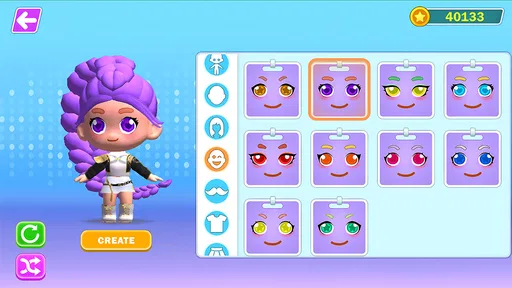
- Charming chibi art style with colorful, highly customizable characters.
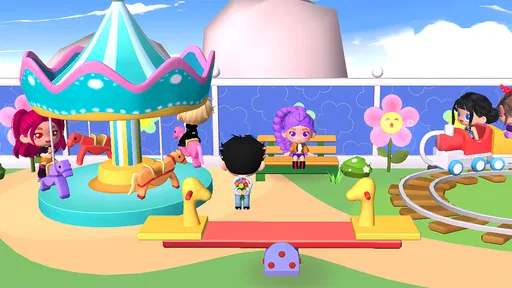
- Relaxing activities and exploration suit casual, low-pressure play sessions.
- Lots of outfits, furniture, and decorative items encourage creative expression.
- Social features make it enjoyable to visit spaces and interact with other players.
- Simple controls are accessible for younger players and casual gamers.
Limitations of Mimo Land: Chibi World
- Progression can feel slow without spending premium currency or real money.
- Frequent events and rewards may encourage regular daily check-ins.
- Some areas and customization options may require unlocking over time.
- The large number of items can make menus and inventory feel cluttered.
- Online features may require a stable connection and raise privacy concerns for children.
Other Releases by UltraPub
View All
Fashion Impress: Dress Up Star
Casual3.8

Mini Challenges: Calm Games
Casual4.9
Similar Picks in This Category
View All
Truckers of Europe 3
Wanda Software4.3

Town Building Life Simulator
XGame Global4.2

Fidget Toys Trading・Pop It 3D
Freeplay Inc4.7

Sculpt People
CrazyLabs LTD4.4

Scary Teacher 3D
Z & K Games4.2

Hair Tattoo: Barber Shop Game
CASUAL AZUR GAMES4.3
Frequently Asked Questions
What is Mimo Land: Chibi World?
Mimo Land: Chibi World is a cute, character-focused virtual world game where you can create and customize an avatar, decorate spaces, meet other players, and enjoy casual activities. Its colorful chibi art style and relaxed gameplay make it appealing to players who prefer social interaction, collecting, fashion, and exploration rather than fast-paced combat or complex progression systems.
Is Mimo Land: Chibi World free to download and play?
The game can generally be downloaded and played for free, but it may include optional in-app purchases. These purchases can provide cosmetic items, currency, outfits, decorations, or other convenience features. Before downloading, parents and players should review the store listing and device purchase settings, since the amount of free content and the role of paid items may change through updates or special events.
Does Mimo Land: Chibi World require an internet connection?
Mimo Land: Chibi World is designed primarily as an online experience, so an internet connection is normally required for features such as account access, social interactions, events, cloud data, and updated content. Some basic areas may load differently depending on the version, but players should not expect a complete offline game. A stable connection is recommended to avoid loading problems or disconnections.
Is Mimo Land: Chibi World suitable for children?
The friendly visuals, cute characters, and nonviolent social gameplay may make Mimo Land: Chibi World attractive to younger players. However, it can include online communication, user interaction, advertising, or in-app purchases depending on the platform and region. Parents should check the official age rating, review privacy options, enable purchase restrictions, and discuss safe online behavior before allowing children to play.
What devices are compatible with Mimo Land: Chibi World?
Compatibility depends on the Android or iOS version, available storage, device performance, and the current requirements published by the developer. Because the game contains animated environments and online features, older phones or tablets may experience slower loading, reduced performance, or installation limitations. Check the official store page before downloading and keep enough free storage available for updates and additional game data.
Play our best games!


